Executive Functioning & Study Skills
Our approach is built on a personalized understanding of each student's motivation, habits, and learning style. Rather than applying a one-size-fits-all program, we get to know how each student actually thinks and works, then build strategies around that. The result is not just better grades, but real skills that carry into college and beyond.
Why Executive Functioning Matters
Many students who struggle academically are not missing subject knowledge. They are missing the underlying systems: how to organize their time, how to retain what they study, how to start when starting feels impossible. Executive functioning is the foundation everything else rests on, and it is a set of learnable skills.
We work with students on five core areas: Study Skills Fundamentals, Organization and Planning, Information Gathering, Building and Learning, and Test-Taking and Writing. Each area is tailored to what the student actually needs, not what a standard checklist says they should know.
The Core Areas We Cover
Study Skills Fundamentals
- Setting goals and building motivation
- Developing a positive, accountable mindset
- Understanding long-term vs. short-term memory
- Using daily review to lock in learning permanently
- Building real-life skills alongside academic ones
Organization and Planning
- Setting up a productive study space
- Organizing backpacks, binders, and paper filing systems
- Using weekly and monthly planners effectively
- Setting priorities and avoiding procrastination
- Triage: finishing what matters most when time is short


Information Gathering
- Active listening strategies for class
- Preview, read, and review: a three-step approach to any material
- Annotation and self-testing while reading
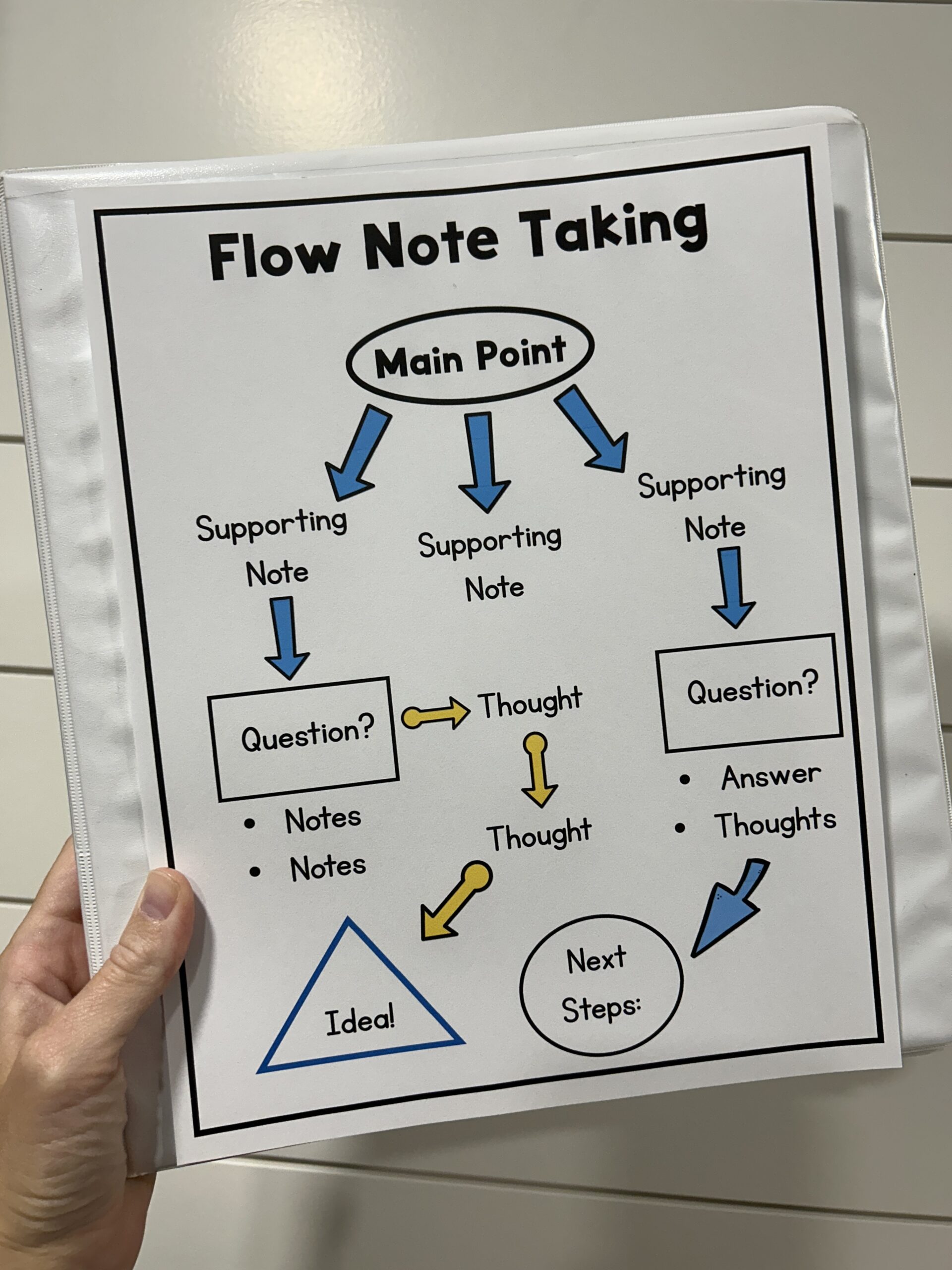
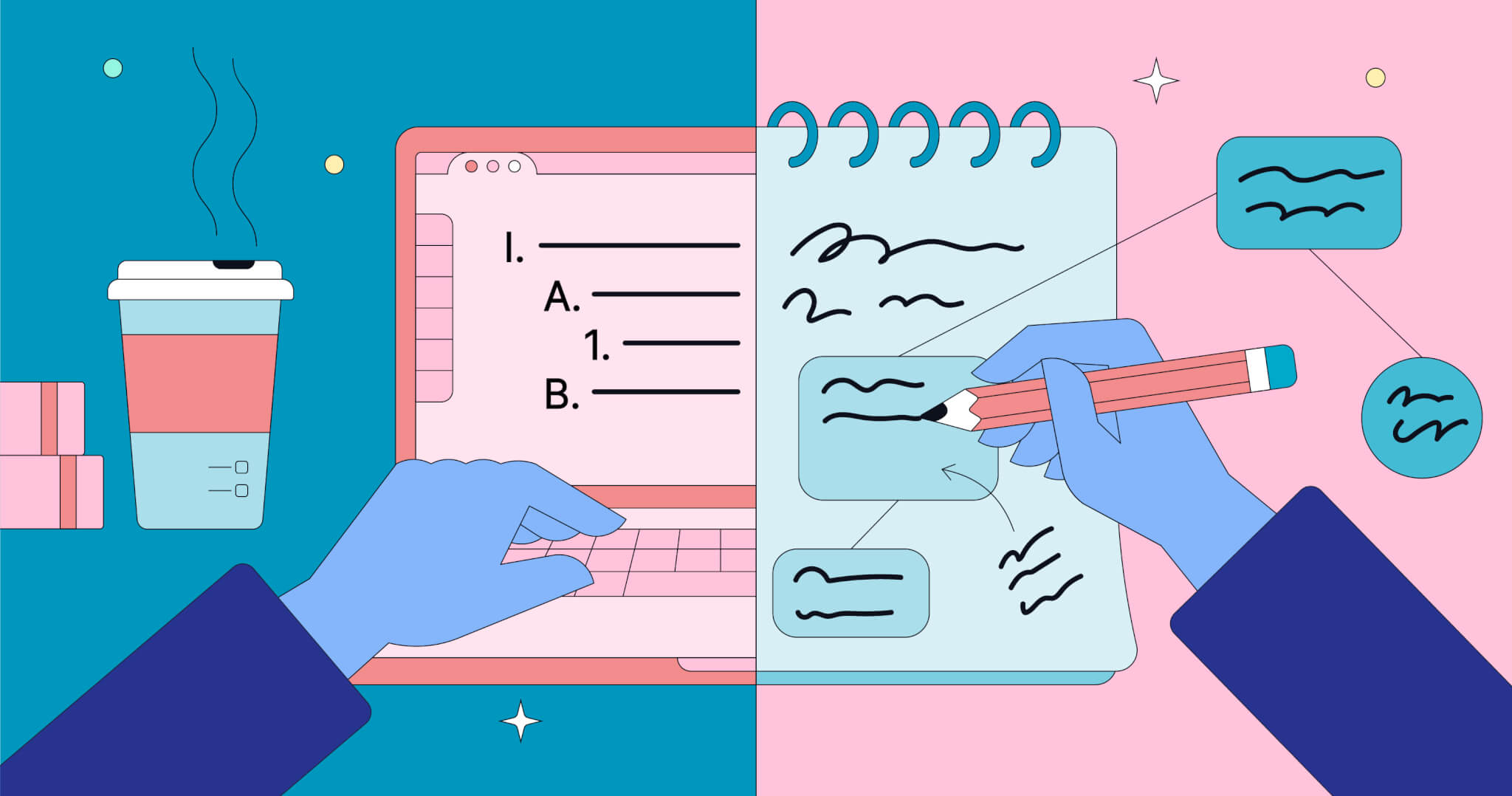
- Effective note-taking formats and systems
- Classroom participation and teacher relationships
Building and Learning
- Identifying personal learning style
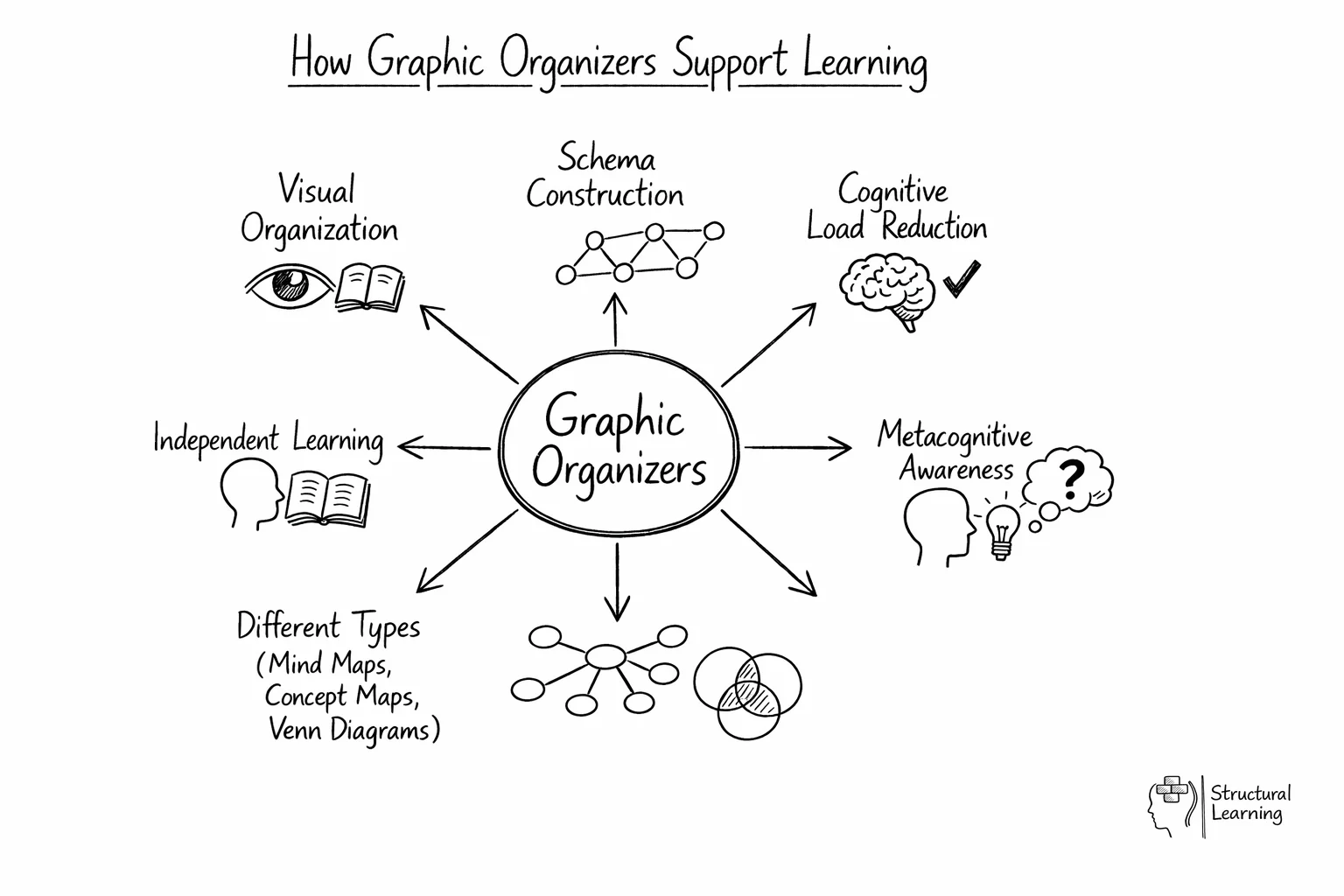
- Using graphic organizers to structure knowledge
- Moving beyond memorization into higher-order thinking
- Concentration techniques and focus rituals
- Memorization strategies for both prompted and unprompted recall
Test-Taking and Writing
- Managing time pressure during exams
- Strategies for multiple choice, short answer, and essays
- Reducing test anxiety with proven focus techniques
- Timed essay writing with a clear structure framework
- Research paper structure from topic to final draft
Note-Taking Strategies
- Shorthand writing and personal abbreviations
- Using highlighters to flag key ideas and vocabulary
- Rewriting notes after class to reinforce memory
- Summarizing sections in a student's own words
How We Build Better Study Habits
Build for Long-Term Retention, Not Cramming
Short-term memory fades within days. We teach students to revisit material in small, consistent doses over time, building knowledge that sticks through finals, summer, and beyond. The goal is to stop re-learning and start retaining.
Engage Actively at Every Stage
We coach students to preview before they read, engage actively during class or reading, and review afterward. This approach is applied across reading, listening, note-taking, and test preparation, building real comprehension at every stage rather than passive exposure.
Develop Higher-Order Thinking
Most students memorize facts. High achievers analyze, connect, and apply them. We work with students to move beyond surface recall into the kind of thinking that earns top marks on essays, AP exams, and standardized tests, and that actually prepares them for college-level work.
Executive Functioning Skills We Build
Task Initiation
Breaking large assignments into smaller first steps so students stop avoiding and start doing.
Time Management
Weekly and monthly planning, priority-setting, and knowing when to triage under pressure.
Concentration
Developing personal focus rituals including deep breathing, distraction shielding, and concentration logs.
Self-Monitoring
Teaching students to check their own understanding, catch errors, and adjust their approach in real time.
Organization Systems
Binder setups, filing systems, planner habits, and desk organization that reduce chaos and lost work.
Accountability
Building self-awareness so students take ownership of their habits, not just their grades.
Book a free consultation to build a study skills plan for your student
Call 425-429-7268 or leave us a message.